Home / About PCM
The Process Communication Model, in plain words
A precise map of how people take in the world, what keeps them motivated, and how their behavior changes under pressure. In you, and in everyone you deal with.
A precise map of how people take in the world, what keeps them motivated, and how their behavior changes under pressure. In you, and in everyone you deal with.
A project slips by a week. You tell your team in one short message.
One person asks three questions about the new timeline. One wants to know who decided, and whether it was fair. One checks that everybody is all right. One sends a joke. One says nothing until tomorrow. One has already called the supplier.
Same sentence, six filters, six different needs. PCM describes them.
The Process Communication Model was developed by clinical psychologist Dr. Taibi Kahler in the 1970s. It explains how people take in the world, what keeps them motivated, and how they react under stress.
It works from what you can see and hear in the moment (words, tone, gestures, posture), so you can use it mid-conversation, with anyone.
Everyone has all six, in an order of their own.
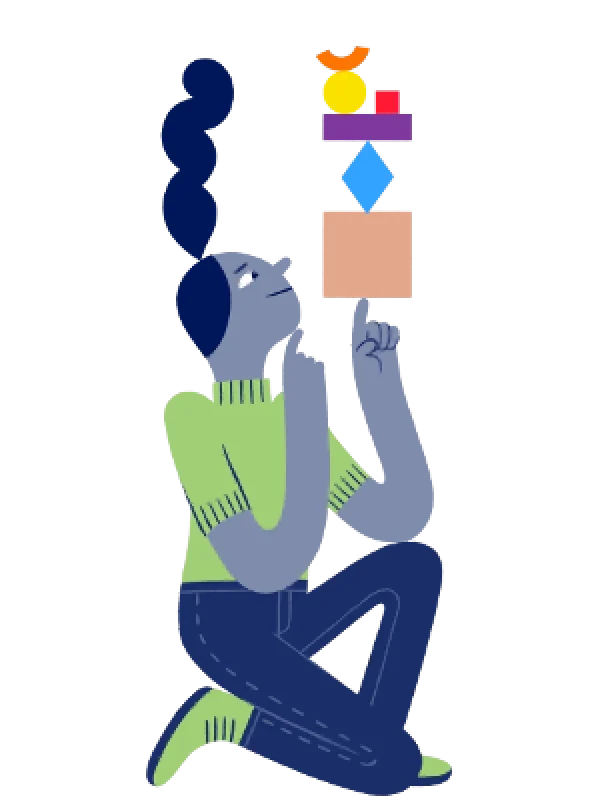
What energizes you, what drains you, and the early signs that you are slipping into a bad day.
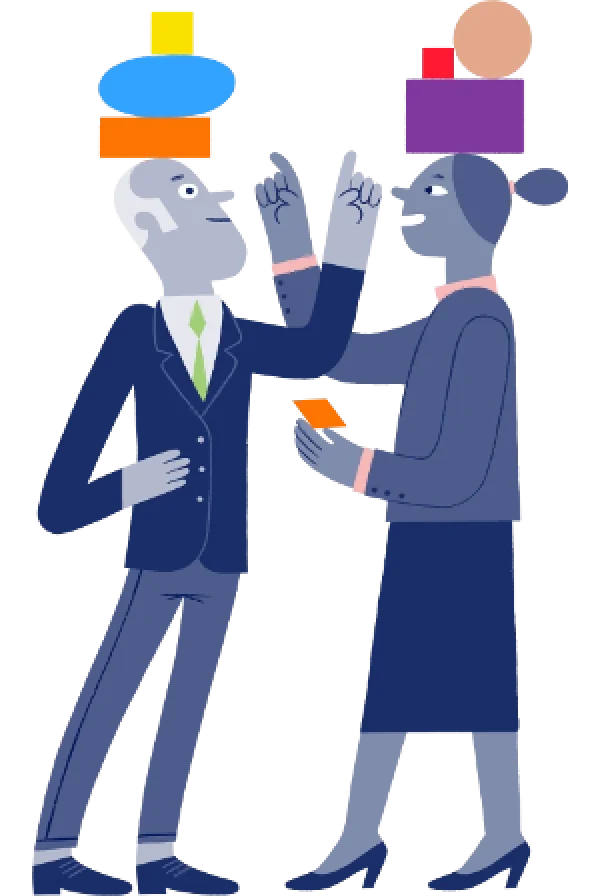
Words, tone, gestures and posture tell you within minutes which part of a person is talking.
Same content, different form: the channel and the currency that person can actually take in.
At work and at home. Small adjustments, repeated daily, change how people feel around you.
PCM works from behavior anyone can observe, so you can tell which part of someone is talking, and answer in a way that lands.
Under stress, behavior changes in a fixed order, starting with signals that last seconds. Know the order and you can catch it early.
What motivates you can shift once or twice in adulthood. That is why strategies that worked for years can stop working almost overnight.
The Process Communication Model® program has been used as a management tool for team building in major corporations.
Strengths, needs, and how to reach each one.
Leaders, teams, sales, couples and parents.
From the clinic and NASA to today's studies.
Ninety minutes, one to one: the Deep Discovery Session.
Diagnosis first, then change with NLP.
There is a validated questionnaire, and it produces a detailed profile of around thirty pages. The questionnaire is where it starts. The value is in reading and responding to people in real time, which is what training and coaching build.
Those describe preferences, usually as a snapshot. PCM adds two things they don't map: the order in which your behavior changes under stress, and the way your motivation can shift across a life. And because it works from observable behavior, you can use it with someone who has never filled in a questionnaire.
The questionnaire was validated in 1982, and the model is still being tested, including a 2025 peer-reviewed study that measured people's physical reactions during conversations. No model is right about everyone all the time, least of all a model of people. What PCM gives you is a far more precise starting point than guessing.
Only certified PCM practitioners can administer and interpret the official profile. I am one. The most direct way in is a Deep Discovery Session.
I'm a performance coach for leaders, entrepreneurs and high performers, and I train the teams around them. PCM gives the diagnosis; NLP gives the tools to change what's underneath it.
Ninety minutes, one to one, with your certified PCM profile: how you're built, what fuels you, the sequence you run under pressure, and the place you're stuck.
See the Deep Discovery Session